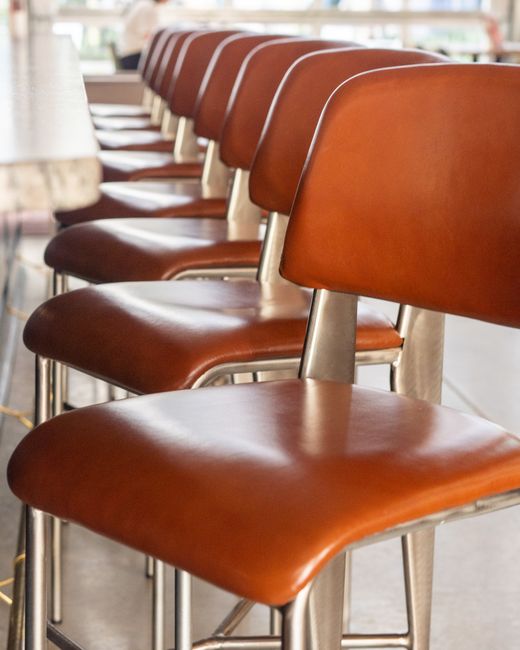
Baring Road upholstery cleaning for local shops and cafes
If you run a shop, cafe, deli, barbers, or small hospitality spot near Baring Road, you already know the truth: upholstery takes a beating. Customers sit, lean, wait, spill, brush crumbs aside, and bring in damp coats on rainy days. By the end of a busy week, fabric chairs and banquettes can look older than they are, and the room can start to feel a bit tired. That is exactly where Baring Road upholstery cleaning for local shops and cafes makes a real difference.
This guide walks through what commercial upholstery cleaning involves, why it matters for customer-facing businesses, how the process works, and how to choose the right approach without overcomplicating things. You will also find a practical checklist, a simple comparison table, and a few grounded tips that help you avoid the usual mistakes. Nothing fancy. Just useful, real-world advice.
Contents
- Why Baring Road upholstery cleaning for local shops and cafes matters
- How Baring Road upholstery cleaning for local shops and cafes works
- Key benefits and practical advantages
- Who this is for and when it makes sense
- Step-by-step guidance
- Expert tips for better results
- Common mistakes to avoid
- Tools, resources and recommendations
- Law, compliance, standards, and best practice
- Options, methods, and comparison table
- Case study or real-world example
- Practical checklist
- Conclusion
- Frequently Asked Questions
Why Baring Road upholstery cleaning for local shops and cafes Matters
In a retail or cafe setting, upholstery is more than decoration. It is part of the customer experience. A tidy armchair, a clean window seat, or a well-kept banquette can make a place feel inviting before anyone has even looked at the menu. Conversely, a stained seat, a musty smell, or flattened fabric can quietly drag the whole room down. People notice these things, even if they do not say it out loud.
For businesses along or near Baring Road, upholstery cleaning also supports everyday operations. Think about the places where hands, coats, coffee cups, pastries, sauces, and shopping bags all end up in the same general area. That constant use leads to visible marking, odours, dust build-up, and hidden grime within the fibres. If ignored, it can shorten the life of seating and make later restoration more difficult. A little maintenance now often beats a costly replacement later. That part is not glamorous, but it is true.
There is also a trust angle. Customers may not inspect your fabric seating with a clipboard, but they do absorb impressions quickly. Clean upholstery suggests good housekeeping, attention to detail, and a business that cares. In a competitive high street setting, that matters more than people think.
If your business also deals with wider commercial flooring or soft furnishings, it can make sense to view upholstery care as part of a bigger maintenance plan alongside commercial carpet cleaning and regular stain removal. The room feels more coherent when everything is looked after together.
How Baring Road upholstery cleaning for local shops and cafes Works
Commercial upholstery cleaning is usually a careful, step-by-step process rather than a one-size-fits-all scrub. Different fabrics, fillings, dyes, and levels of soiling need different treatment. A good cleaner will start by identifying the material, checking for wear, and testing products in an unobtrusive area. That sounds basic, but skipping it is where mistakes happen.
In practical terms, the process often includes dry debris removal, pre-treatment of marks, agitation or gentle brushing, controlled moisture application, extraction or wiping, and then drying. Some seating can tolerate a deeper clean, while other items need a lighter touch. Velvet, synthetic blends, wool mixes, faux leather, and structured banquettes can all behave differently. To be fair, fabric can be a bit dramatic when handled poorly.
For many local shops and cafes, the aim is to refresh the seating without causing disruption. That means planning around opening hours, footfall, and drying time. Early morning visits, split sessions, or quieter midweek slots often work best. If the business is busy at lunchtime, nobody wants chairs drying by the till. Small detail, big difference.
Some premises also need related treatment on nearby soft furnishings. For example, a cafe corner with upholstered stools and drapes may benefit from curtain cleaning or even sofa cleaning if the seating area includes lounge-style furniture. That joined-up approach keeps the whole front-of-house looking consistent.
Key Benefits and Practical Advantages
Well-planned upholstery cleaning is not only about appearance, though that is the obvious starting point. There are several practical benefits that matter in day-to-day business.
- Better first impressions: customers are more comfortable sitting down when upholstery looks and smells clean.
- Longer furniture life: removing abrasive dirt and sticky residue helps reduce premature wear.
- Improved hygiene: regular cleaning helps deal with food debris, dust, and general contamination from everyday use.
- Odour control: soft furnishings can hold on to coffee, dairy, cooking smells, damp, and general stale air.
- Lower replacement pressure: refreshed seating can buy you time before investing in new furniture.
- More consistent branding: a neat interior supports the look you want to project, especially in cafes and independent shops.
One practical advantage that gets overlooked is flexibility. A clean seating area allows you to rework the space more easily. If you want to move a table, create a quieter corner, or make a small refresh before a seasonal launch, clean upholstery helps the whole room feel intentional rather than tired. It sounds small. It is not, really.
And yes, there is a morale benefit too. Staff usually prefer working in a place that feels cared for. That matters on a wet Thursday morning when the espresso machine is already doing its best and a queue starts building near the door.
Who This Is For and When It Makes Sense
Baring Road upholstery cleaning for local shops and cafes is relevant for any business with customer seating, but some places need it more urgently than others. Cafes with food and drink service are obvious candidates because spills are part of the job. Independent retailers with waiting areas, fitting rooms, sample benches, or staff-use seating also benefit. Hair and beauty businesses often have upholstered chairs or treatment room seating that picks up product residue, dust, and general wear.
It usually makes sense to arrange professional cleaning when you notice one or more of these signs:
- visible marks or rings on seats
- a stale or sour odour in the seating area
- fabric that looks dull even after vacuuming
- customers avoiding certain chairs, which they sometimes do quietly
- recent refurb work, menu changes, or a seasonal reset
- spills from coffee, milk, sauces, syrups, or packaging residue
It also makes sense after a busy stretch, such as school holidays, Christmas trading, or a wet winter. You do not need to wait until everything looks bad. In fact, that is usually the least efficient moment to act.
If your business is already planning a deeper maintenance cycle, it can be sensible to pair upholstery care with professional upholstery cleaning and, where carpets are part of the same customer area, steam carpet cleaning. The room feels fresher as a whole, not just on the seats.
Step-by-Step Guidance
If you are trying to plan the job properly, here is a simple way to think about it. No mystery, no jargon.
- Inspect the furniture. Identify the material, the type of staining, and any damaged seams, loose buttons, or weak fabric. This is where the real plan starts.
- Vacuum thoroughly. Dry soil, crumbs, lint, and dust should be removed before any wet process begins.
- Test the fabric. Cleaning products should be checked on a hidden patch to make sure there is no colour loss or texture change.
- Pre-treat stains. Fresh coffee, food grease, and general marking often respond better when treated before the main clean.
- Clean with the right method. Depending on the fabric, this may involve low-moisture cleaning, controlled extraction, or careful agitation.
- Rinse or finish appropriately. Leaving residue behind can attract more dirt, which is a common but avoidable problem.
- Allow drying time. Good airflow helps. So does sensible scheduling. Wet upholstery at opening time is not ideal, let's put it that way.
- Check the result and plan maintenance. Note any persistent stains, areas of high wear, or recurring spill zones so you can handle them earlier next time.
For business owners, the real key is scheduling. If you know your Friday afternoon is chaos, book a quieter window. If the cafe is calmer before 9 a.m., use that. Good upholstery care is partly cleaning, partly logistics. A bit boring maybe, but that is exactly what makes it effective.
Expert Tips for Better Results
After you have seen enough upholstery jobs, a few patterns become obvious. The best results usually come from small decisions made before the cleaner even picks up a tool.
- Act on fresh spills quickly. A coffee splash dealt with early is much easier than one baked into the fibres for a week.
- Keep seating away from avoidable contamination. Condensation-heavy windows, condiment stations, and bin areas can all create repeat problems.
- Use protective habits. Staff training on wiping spills, moving hot drinks carefully, and checking seats at close can save a lot of grief.
- Think in zones. High-traffic chairs, window benches, and waiting-area sofas usually need more attention than the occasional spare seat.
- Rotate where possible. If you have modular seating or movable chairs, rotate them so wear does not build up in one obvious patch.
- Keep an eye on odours, not just stains. Sometimes the seat looks fine, but the room still feels a bit off. That usually means hidden residue or trapped moisture.
One simple practical tip: photograph problem areas before the clean, then compare after. It helps you see what has improved and what still needs attention. Not glamorous, but handy. And it stops the "it looked better yesterday" debate, which every business owner knows far too well.
If furniture safety or site procedures are a concern, it is sensible to review a provider's health and safety policy and insurance and safety information before booking. That is just good business practice, no drama needed.
Common Mistakes to Avoid
Upholstery cleaning seems straightforward until something goes wrong. Then it is suddenly very straightforward in the wrong direction. The most common mistakes are predictable, which is helpful because they are avoidable.
- Using too much water. Excess moisture can leave tide marks, extend drying time, or create deeper issues inside the fabric and padding.
- Scrubbing aggressively. This can spread stains, roughen the fabric, or flatten the pile in the wrong direction.
- Ignoring the fabric type. What works on a robust synthetic chair may be wrong for a delicate woven seat.
- Leaving residue behind. Soap or cleaning chemistry that is not properly removed can attract dirt faster afterward.
- Waiting too long. Old stains are harder, more expensive, and often less predictable.
- Not planning drying space. Cleaned chairs shoved back into service too early can undo the work.
A quieter but common mistake is treating every seat the same. In a cafe, the chair near the pastry counter may need a different approach from the bench in a calmer corner. In a retail shop, the staff lounge seat may be far dirtier than the customer-facing one, even if visitors never see it. Real cleaning starts with observation, not assumptions.
Tools, Resources and Recommendations
You do not need a warehouse full of equipment to maintain upholstery well, but you do need the right basics. For everyday upkeep, a business should usually have:
- a reliable vacuum with upholstery attachments
- microfibre cloths for light spot care
- an approved stain treatment approach for common spills
- clear notes on which fabrics are sensitive
- a cleaning schedule that staff can actually follow
For deeper work, commercial upholstery cleaning often sits alongside wider soft furnishing care. If you have upholstered seating, you may also want to think about rug cleaning in waiting areas or displays, and carpet cleaning in front-of-house spaces. It is usually cheaper and more effective to maintain the whole environment than to chase one bad patch at a time.
From a planning point of view, it helps to keep a simple record of dates, problem areas, and repeat stains. That record does not need to be elaborate. A notebook, a spreadsheet, or even a shared internal log is enough. The point is consistency. Little trends become obvious very quickly when you write them down.
Law, Compliance, Standards, and Best Practice
For shop and cafe owners, upholstery cleaning is not usually a highly regulated specialty in itself, but it does intersect with sensible business duties around cleanliness, safety, and premises management. In the UK, businesses are generally expected to keep work areas reasonably safe and maintain good standards of hygiene appropriate to the type of operation. For food-led businesses, that expectation is naturally higher because upholstery can affect both presentation and the cleanliness of seating areas.
There is also a straightforward duty of care issue. Wet floors, damp seating, blocked access, harsh chemicals, and poor ventilation all create avoidable risk. If a cleaner is working during trading hours, coordination matters. You want clear signs if needed, tidy cables or equipment, and a process that keeps customers and staff out of trouble. Nothing heroic. Just sensible.
Best practice also includes honesty about limitations. Some stains cannot be fully removed without risking damage, and some fabrics age in a way that cleaning cannot reverse. A trustworthy cleaner should say so clearly rather than overpromise. That kind of plain speaking is worth a lot.
Where relevant, you may also want to check broader business documents such as the provider's terms and conditions, privacy policy, and payment and security information. Those details are boring until they matter, and then they matter quite a bit.
Options, Methods, and Comparison Table
Different upholstery situations call for different methods. Here is a simple comparison to help you think through the options before booking a service or attempting routine care in-house.
| Method | Best for | Strengths | Watch-outs |
|---|---|---|---|
| Routine vacuuming and spot care | Daily or weekly maintenance | Fast, low disruption, helps prevent build-up | Will not remove deep stains or odours on its own |
| Low-moisture upholstery cleaning | Busy businesses needing shorter drying times | Practical for trading premises, usually less downtime | May not suit every heavy stain or every fabric |
| Hot water extraction | Heavier soiling on suitable fabrics | Can remove deep dirt and refresh tired seating well | Drying time must be planned carefully |
| Targeted stain treatment | Localised spills and marks | Useful for quick intervention and visible problem areas | Not a full substitute for a full clean |
For many local shops and cafes, a mixed approach works best. You keep on top of daily dust and crumbs, then bring in a deeper clean at sensible intervals. That way you are not waiting for a crisis. Which, to be honest, is how a lot of businesses end up calling for help in the first place.
Case Study or Real-World Example
Picture a small cafe near Baring Road with six upholstered window seats and a couple of soft benches near the back. The place gets a steady breakfast crowd, a lunchtime rush, and a few people working on laptops in the afternoon. Nothing unusual. But over a few months, the pale seating starts to show coffee rings, general dullness, and the odd greasy mark from takeaway pastries.
The owner first notices it on a Monday morning, when the light hits the fabric just right and, well, there it is. Not terrible, but no longer fresh. Instead of waiting until the marks become part of the furniture, they arrange a clean before the next quieter service window. The seating is inspected, the worst areas are treated first, and the work is timed so the chairs can dry before the evening rush.
What changed? The room felt brighter, staff stopped trying to steer customers away from the worst-looking seats, and the business no longer gave off that slightly tired impression that creeps in without anyone planning it. The cafe did not reinvent itself. It simply looked like a place that cared again. That's often the whole game.
In a nearby retail setting, the same idea applies to waiting benches or consultation chairs. The details differ, but the principle is the same: keep customer-facing upholstery presentable, and the room works harder for you.
Practical Checklist
Use this quick checklist before and after booking Baring Road upholstery cleaning for local shops and cafes.
- Identify all upholstered items in customer and staff areas.
- Note the fabric type if you know it, or flag unknown materials for inspection.
- Mark fresh stains, odours, and high-wear zones.
- Decide whether the clean needs to happen before opening, after closing, or in a quieter trading window.
- Move fragile display items and clear access around seating.
- Ask how drying time will affect trade.
- Check whether other soft furnishings should be included at the same time.
- Confirm any relevant safety, insurance, or policy details.
- After cleaning, allow full drying before normal use where possible.
- Set a realistic follow-up schedule instead of waiting for the next visible problem.
Practical summary: if you are running a shop or cafe on or around Baring Road, upholstery cleaning works best when it is planned as part of regular business upkeep, not treated as a panic response. That one shift in mindset saves time, protects furniture, and keeps the space feeling welcoming.
Get a free quote today and see how much you can save.
Conclusion
Baring Road upholstery cleaning for local shops and cafes is really about protecting the customer experience. Clean seating supports your brand, keeps the room feeling comfortable, and helps you avoid the slow decline that happens when soft furnishings are ignored for too long. The best results come from simple habits: early stain treatment, sensible scheduling, the right cleaning method, and a realistic maintenance plan.
If you are weighing up whether to book a clean now or leave it a bit longer, the honest answer is usually that earlier is better. Not because everything is an emergency, but because upholstery gets harder to refresh once grime settles deep into the fabric. A little attention now can make the space feel better immediately. And that is a good feeling, especially when the place is busy and you want it to look its best.
Sometimes the smallest improvements are the ones customers notice most. Clean chairs. A fresher smell. A room that feels looked after. Simple, really.
Frequently Asked Questions
How often should shop or cafe upholstery be cleaned?
It depends on footfall, fabric type, and how much food or drink is served nearby. Busy customer seating often needs professional attention more than once a year, while lighter-use areas may last longer between cleans. Regular vacuuming and quick spill response make a big difference either way.
Can upholstery cleaning be done without closing the business?
Often, yes. Many local businesses prefer early morning, late evening, or quieter midweek appointments. The main issue is drying time, so the schedule should be planned around trading hours. If the seating is central to customer service, good timing matters more than speed.
What kinds of stains are most common in cafes and shops?
Coffee, tea, milk, syrup, food grease, sticky drink residue, and general dirt from everyday use are all common. In retail settings, you also see makeup transfer, dust, and occasional dye transfer from clothing or packaging. The faster the stain is handled, the better the outcome usually is.
Is steam cleaning suitable for all upholstery?
No. Steam or hot water methods can be effective on suitable fabrics, but delicate materials, certain blends, and older upholstery may need a gentler approach. A fabric test should come first. The best method depends on the item, not just the stain.
Will upholstery cleaning remove odours as well as stains?
It can help a lot, especially when odours are caused by trapped dirt, spills, or stale residue. That said, not every smell disappears completely on the first pass. If padding has absorbed strong contamination, a more targeted approach may be needed.
How long does upholstery take to dry?
Drying times vary depending on the fabric, method used, ventilation, and how heavily the item was cleaned. Low-moisture methods generally allow faster return to use, while deeper extraction cleaning may need more time. Good airflow helps, but there is no single fixed answer.
Can staff clean upholstery in-house instead of booking a professional?
For light maintenance, yes, provided they use suitable products and avoid over-wetting the fabric. But deeper cleaning, stain removal, and delicate materials are usually better handled professionally. In-house care and professional care work best together, not as rivals.
What should I ask before booking a cleaner?
Ask about the method they plan to use, how they handle different fabrics, drying time, access requirements, and whether they can work around trading hours. It is also sensible to check insurance, safety, and any terms that affect the visit. Straight answers are a good sign.
Does upholstery cleaning help furniture last longer?
Usually, yes. Dirt acts a bit like fine grit, slowly wearing fibres down over time. Regular cleaning removes that build-up and can help keep seating looking presentable for longer. It will not make old furniture new, of course, but it can slow the decline.
What if a stain does not come out fully?
That happens sometimes. Older stains, dye transfer, heat-set marks, and damage from previous cleaning attempts can be difficult to reverse completely. A good provider should explain the likely outcome before starting, so expectations stay realistic. Honest advice is better than a promise that cannot be kept.
Can upholstery cleaning be combined with other services?
Yes, and that often makes practical sense. Many businesses choose to combine upholstery care with carpet or rug maintenance, especially in customer-facing areas. If you want the whole space to feel fresher, combining services can be more efficient than dealing with each item separately.
How do I know if my cafe seating needs urgent attention?
If the upholstery has visible staining, smells stale, feels sticky, or looks dull even after routine cleaning, it probably needs more than a quick tidy-up. If customers seem to avoid certain seats, that is another sign. You do not need to wait for a major problem before acting.